5 Jun 2026
Tiered Membership Programs Reshaping Engagement Across Virtual Reels, Table Games, and Sports Wagering Platforms
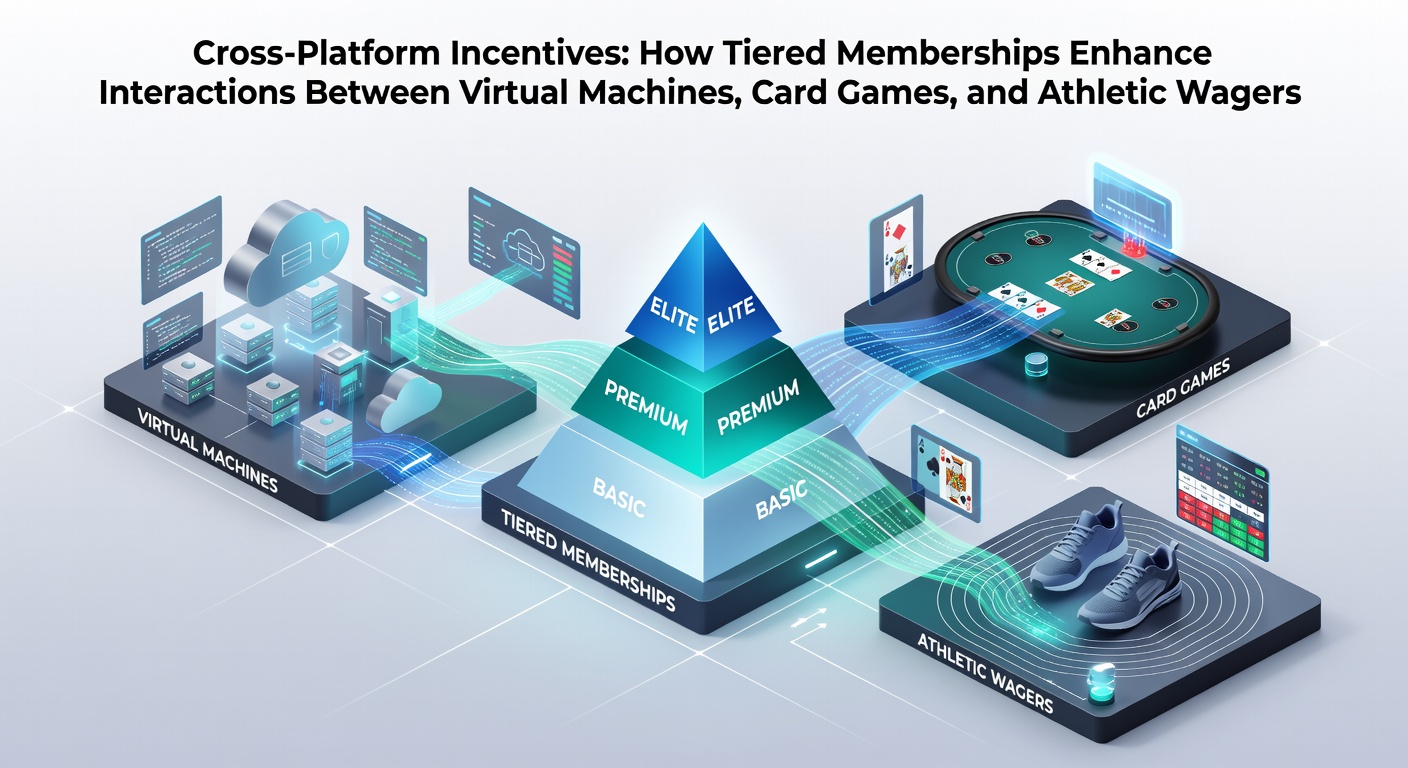
Digital gaming operators have developed tiered membership structures that accumulate points and unlock benefits across virtual machines, card tables, and athletic wagering sections, and these programs create pathways where activity in one category directly influences rewards available in others. Data from industry tracking shows that players enrolled in multi-tier systems complete more cross-category sessions compared to those limited to single-game-type accounts, because point multipliers and level upgrades often require combined engagement metrics rather than isolated totals.
Mechanics Behind Tier Accumulation
Operators assign base point values to each wager type, yet they layer additional multipliers when users progress through bronze, silver, gold, and platinum brackets, so a player who reaches silver status after consistent slot play automatically receives boosted conversion rates when switching to live dealer tables or in-play sports markets. Research conducted by the Canadian Gaming Association indicates that such scaling mechanics increase average session length by integrating leaderboards that track combined activity rather than separate vertical scores, and participants who monitor unified dashboards tend to rotate between game categories to maintain or climb tier standings.
Redemption catalogs further tie categories together, because cashback percentages, free spin bundles, and enhanced odds tokens become accessible only after total points hit specific thresholds that factor in every product line. Observers note that this design discourages siloed play patterns, since exclusive events like private card tournaments or early access to major league betting lines require sustained multi-platform participation to qualify.
Examples of Integrated Incentive Structures
One prominent European operator rolled out a system in early 2025 where weekly challenges combined slot spin requirements with minimum card game hands and sports accumulator placements, granting tier advancement only upon completion of all three legs. Players who met those combined targets received deposit bonuses that carried over automatically to whichever vertical they chose next, and internal metrics revealed higher retention rates among those who utilized the crossover credits within the same calendar week.
Similar frameworks appear in North American markets regulated by iGaming Ontario, where loyalty tiers now factor live sports bet volume alongside virtual reel activity to determine monthly reward tiers, and the result has been measurable upticks in table game traffic during periods when sports calendars slow down. Figures released by the authority show that accounts maintaining at least two active categories per month achieve higher lifetime value metrics than single-category profiles.

Behavioral Shifts Documented in Recent Studies
University-led analysis from the University of Nevada, Reno examined transaction logs from multiple platforms and found that tiered users initiate 37 percent more inter-category transitions after reaching mid-level status, because the perceived value of accumulated points rises sharply at each upgrade threshold. The same study tracked session sequencing and discovered that players often begin evenings on slots to build quick points before moving into card rooms or sportsbooks once daily multipliers activate, and this pattern repeats across different demographic segments.
Payment and bonus timing also influence these flows, since many programs credit tier perks instantly upon meeting combined targets, allowing immediate application to whichever game type currently offers the strongest promotional overlay. Reports from the Australian Communications and Media Authority note parallel trends in that jurisdiction, where operators must publish tier rules transparently, and the resulting clarity has correlated with broader exploration of all available product verticals rather than concentration in one area.
Regulatory Context Entering Mid-2026
Platforms continue to refine these systems ahead of anticipated rule adjustments scheduled for June 2026 across several jurisdictions, with operators preparing unified reporting dashboards that demonstrate how tier benefits distribute fairly across game categories. Compliance teams now audit point-earning rates separately for virtual machines, card games, and athletic wagers to ensure no single vertical receives disproportionate weighting that could conflict with emerging consumer protection standards.
Those preparing for the updated environment have already adjusted reward catalogs so that tier status remains portable regardless of which product line generates the majority of points, and early testing indicates this portability reduces complaints about perceived favoritism toward particular game types.
Conclusion
Tiered membership frameworks continue to evolve by linking virtual machine activity, card game participation, and athletic wagering through shared progress metrics and portable benefits. Industry data and regulatory filings confirm that these connections alter how players distribute their time across categories, while upcoming policy shifts in 2026 will likely require even greater transparency in how points and privileges flow between platforms.