24 Jul 2026
Cross-Platform Loyalty Systems: Linking Slot Machines, Live Dealer Games, and Sports Betting Through Tiered Rewards and Payment Options
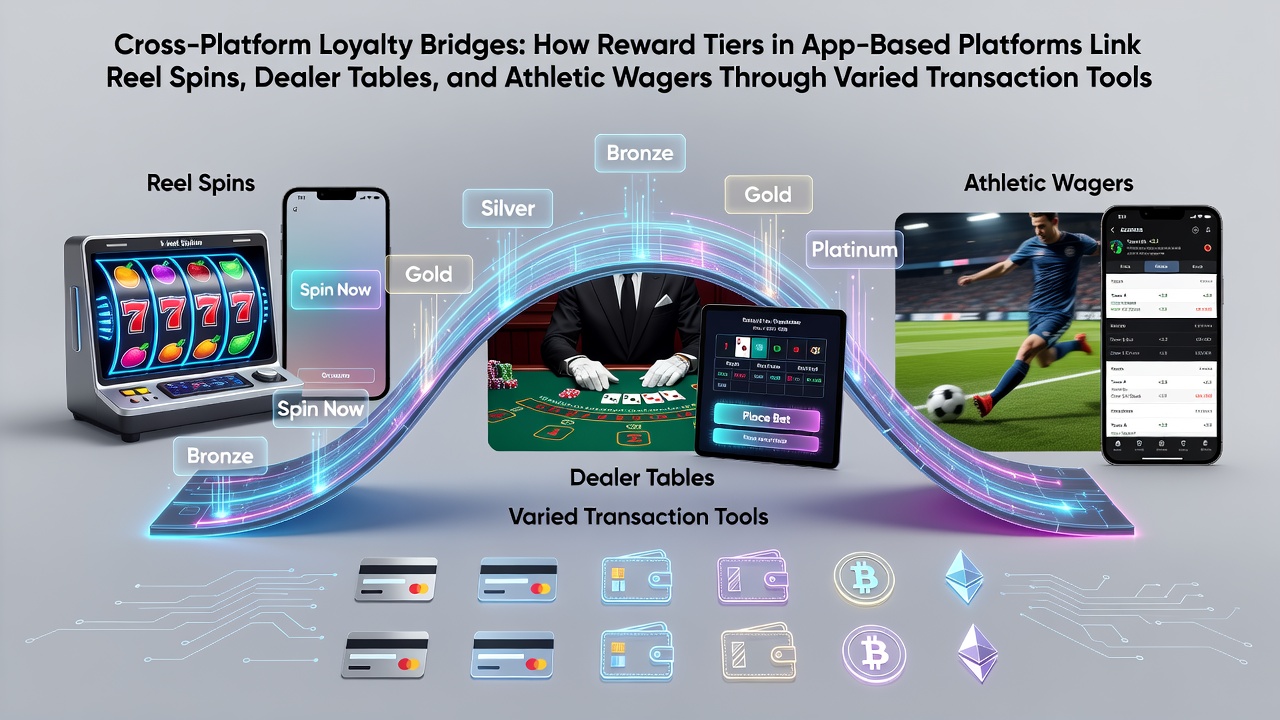
App-based gaming platforms have developed integrated reward structures that allow users to accumulate points from reel spins, advance through dealer tables, and apply those same credits toward athletic wagers, all while relying on multiple transaction methods to move funds between accounts. These systems operate through tiered loyalty programs where activity in one category directly influences benefits available in others, creating measurable connections tracked by backend algorithms.
Mechanics of Tiered Reward Accumulation
Users earn base points from slot sessions based on wager volume and frequency, with multipliers applied once they reach silver, gold, or platinum levels within the same app ecosystem. Those points convert automatically when players switch to live dealer rooms, where additional bonuses activate after a set number of hands played at higher stakes. Sports betting sections then recognize the combined total, unlocking cashback percentages or free bet credits that scale with overall platform engagement rather than isolated game type.
Data from industry tracking services shows that platforms using unified ledgers report higher session lengths across categories, because progress made in slots carries forward without reset when users move to in-play football markets or blackjack tables. Payment tools such as e-wallets and direct bank transfers serve as the transfer layer, recording each deposit and withdrawal so that loyalty status remains consistent regardless of funding source.
Role of Varied Transaction Tools in Maintaining Continuity
Transaction methods determine how quickly loyalty points update after each activity. Instant e-wallet deposits allow immediate point crediting, whereas card transactions or bank transfers may require a short verification window before rewards appear in the shared balance. This timing difference affects how players plan their movement between game types, since faster tools keep momentum intact during multi-category sessions.
Observers note that platforms supporting crypto options alongside traditional processors often see increased cross-category play, because the same wallet address can fund slots, settle live table results, and place wagers on tennis or basketball without separate verification steps. In July 2026 several major operators introduced synchronized loyalty dashboards that display combined point totals from all three verticals in a single view, reducing the friction previously caused by separate tracking systems.
Examples of Cross-Category Progression
One documented case involves a European operator whose loyalty program grants table game comps after users complete 500 slot spins within a calendar month. Those comps then convert into enhanced odds on selected sports markets once the player deposits through an approved e-wallet. Another instance tracked by analytics firms shows that sports bettors who also maintain active live dealer sessions receive accelerated tier advancement, shortening the time required to unlock higher withdrawal limits across the entire account.

Research published by the American Gaming Association indicates that integrated reward programs correlate with broader usage patterns, particularly when transaction speeds remain consistent across funding methods. Users who combine all three categories within one app tend to maintain higher balances over longer periods compared with single-category participants.
Technical Integration and Data Tracking
Backend systems link reel spin outcomes, table game results, and sports wager settlements through a central player profile that updates in real time. Each transaction carries metadata tags identifying the originating game type, which the loyalty engine uses to calculate tier progression and apply relevant multipliers. When payment processors complete a transfer, the system cross-references the amount against current tier thresholds before adjusting available rewards.
Security protocols require identity verification at the account level rather than per game, allowing seamless movement between categories once initial checks clear. This structure reduces redundant data entry while maintaining compliance records for each transaction type. Reports from payment solution providers confirm that platforms employing these unified ledgers experience fewer abandoned sessions during transitions between slots and sports betting interfaces.
Future Developments Expected After July 2026
Industry roadmaps released by platform developers point toward deeper API connections between loyalty engines and third-party payment gateways, which would permit points earned on one operator to transfer partially to partner apps. Such interoperability would depend on standardized transaction reporting formats that already exist in certain regulated markets outside the UK. Analysts expect these changes to appear first in regions with established multi-vertical licensing frameworks.
Conclusion
Cross-platform loyalty bridges function through shared point systems, tier multipliers, and transaction tools that record activity across slots, live dealer tables, and sports wagers within single mobile applications. The structure relies on consistent data tracking and varied payment speeds to keep rewards synchronized. As operators refine these connections after July 2026, the measurable links between game categories continue to expand through technical updates and broader payment integration.