20 Jul 2026
Advanced Transaction Frameworks Enabling Rapid Transitions Between Reel-Based Automation, Live Dealer Engagements, and Competitive Sports Betting Among Top-Tier Participants
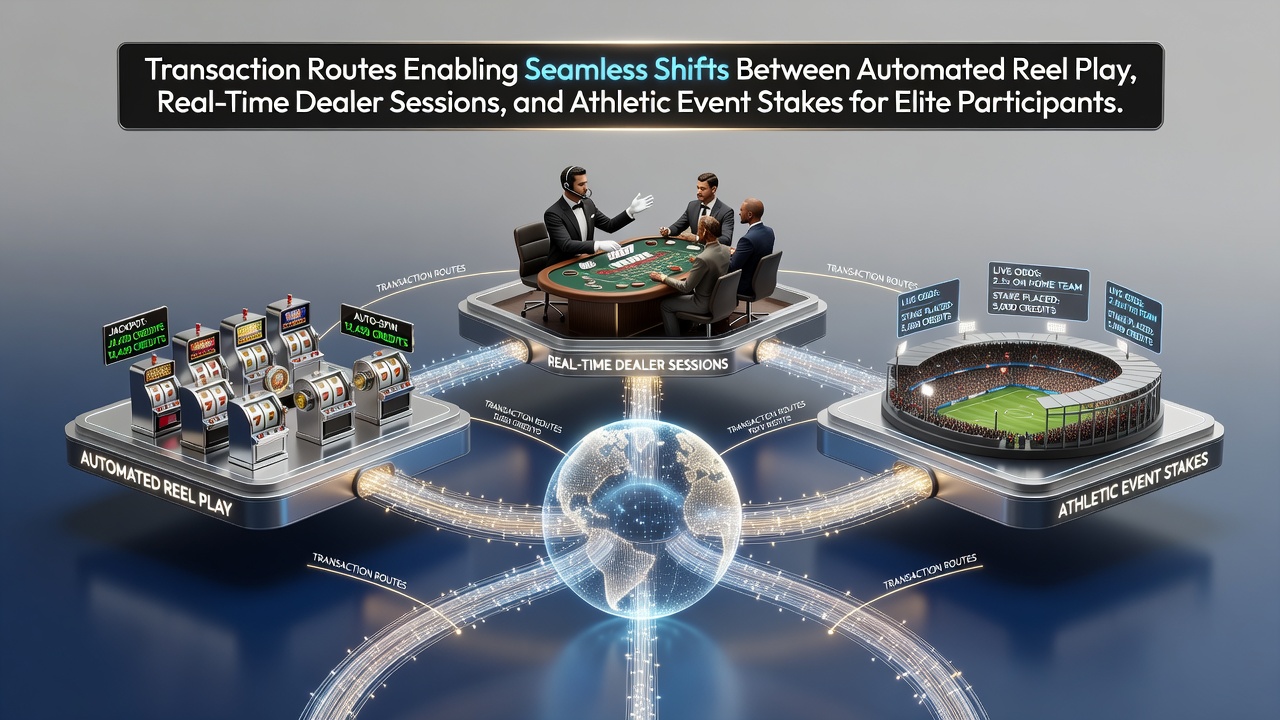
Payment systems have evolved to support fluid movement across automated reel mechanics, real-time dealer tables, and athletic event markets for high-value users who maintain substantial balances and activity levels across multiple verticals. These frameworks rely on unified account ledgers, instant verification protocols, and interoperable gateways that reduce friction during switches between game types.
Core Mechanics of Cross-Vertical Transaction Routing
Elite participants often initiate sessions in automated reel environments where fixed-stake algorithms determine outcomes, then move to live dealer formats requiring human-paced interactions, and finally enter sports markets tied to live events. Transaction routes handle these shifts through single-wallet architectures that update balances in real time without requiring separate logins or fund transfers. Data from industry reports indicates that such systems process thousands of micro-transactions per session while maintaining compliance with jurisdictional standards set by bodies like the Nevada Gaming Control Board.
Secure API connections between platforms allow stake adjustments to carry over automatically, and multi-factor authentication remains active across the sequence. Observers note that this continuity preserves session momentum, particularly when users adjust positions in athletic events that unfold over extended timeframes while simultaneously managing reel sequences or table minimums.
Technological Components Supporting Elite User Flows
High-capacity processors and distributed ledger options facilitate the speed required for premium accounts. E-wallet integrations and tokenized card systems reduce authorization times to seconds, enabling participants to reallocate funds between reel automation and live table action without interruption. Research from the University of Nevada, Las Vegas gaming studies program shows that latency below 200 milliseconds correlates with higher retention rates among users who engage across all three categories in single sessions.
Automated risk-scoring engines monitor patterns across verticals, flagging anomalies while permitting approved VIPs to maintain elevated limits. These engines integrate with sports data feeds so that in-play adjustments on athletic events can draw from the same pool used for dealer sessions or reel spins. July 2026 marks the scheduled rollout of enhanced interoperability standards in several jurisdictions, requiring platforms to demonstrate seamless routing capabilities during compliance audits.
Case Examples from Operational Platforms
One documented implementation involves a European operator linking reel engines directly to live dealer streams through a central transaction hub, allowing users to exit a multiplier round and enter a blackjack table while carrying forward any pending sports wager settlement. Similar configurations appear in North American markets where athletic event stakes link back to automated systems via the same verified account. Figures from the American Gaming Association reveal that cross-vertical play among top-tier accounts increased 18 percent year-over-year following the adoption of these unified routes.
Regulatory and Security Considerations in Multi-Vertical Routing
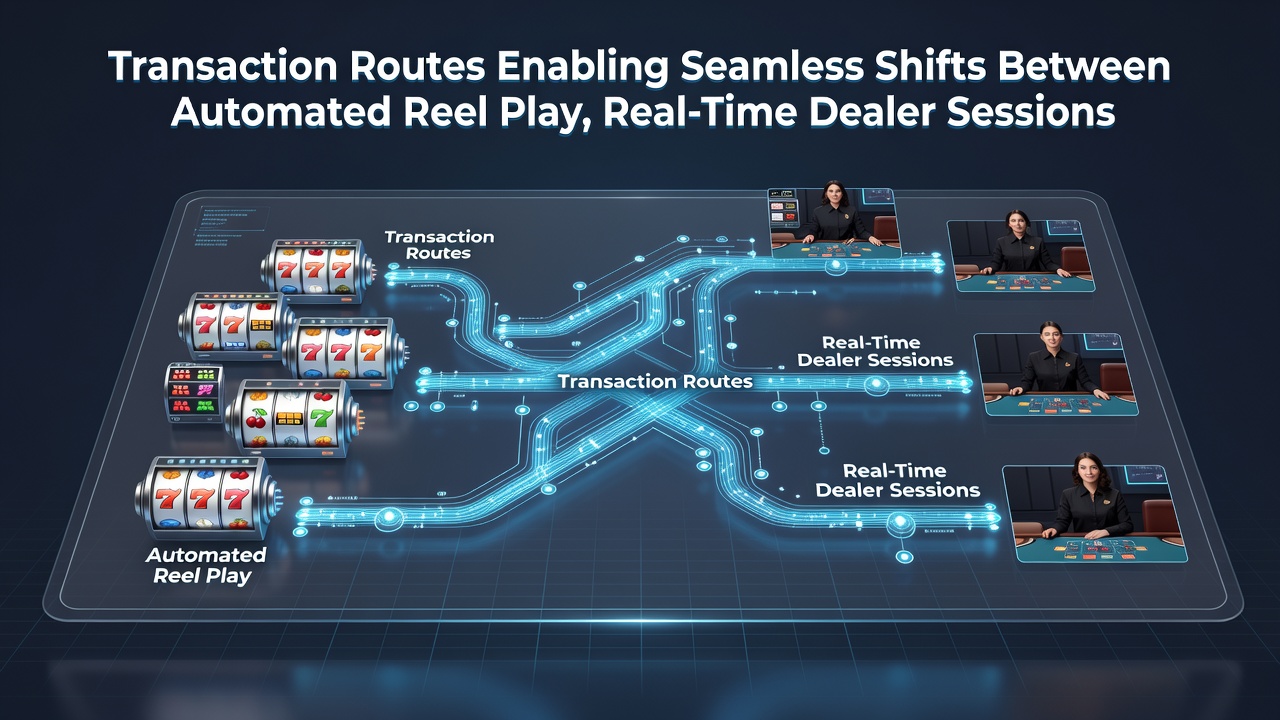
Jurisdictions enforce segregation of funds and audit trails that cover every transition point. Transaction logs must record the origin and destination of each stake movement, whether from reel automation to dealer sessions or onward to athletic event markets. Canadian provincial regulators and Australian state gaming authorities have issued guidelines requiring real-time reporting of these flows for accounts exceeding defined thresholds. Security protocols include end-to-end encryption and behavioral analytics that differentiate legitimate VIP activity from irregular patterns.
Payment service providers maintain separate compliance modules for each vertical while sharing a common user verification layer. This structure supports elite participants who operate across time zones and event schedules without encountering repeated identity checks during vertical switches.
Future Developments in Transaction Architecture
Developers continue to refine predictive allocation tools that anticipate user movement between reel play, live tables, and sports markets based on historical patterns. Integration with emerging settlement networks promises further reductions in processing intervals. Those who have examined pilot programs report that such enhancements maintain regulatory alignment while accommodating the volume generated by premium accounts.
Conclusion
Transaction frameworks now form the backbone of operations that allow elite participants to navigate automated reel systems, real-time dealer environments, and athletic event stakes through continuous, verified pathways. These systems draw on established security standards and emerging interoperability requirements scheduled for 2026, supported by data from academic and industry sources that document measurable increases in cross-vertical engagement.